A Conversation on Curation, Culture, and the Future of Automotive Expression
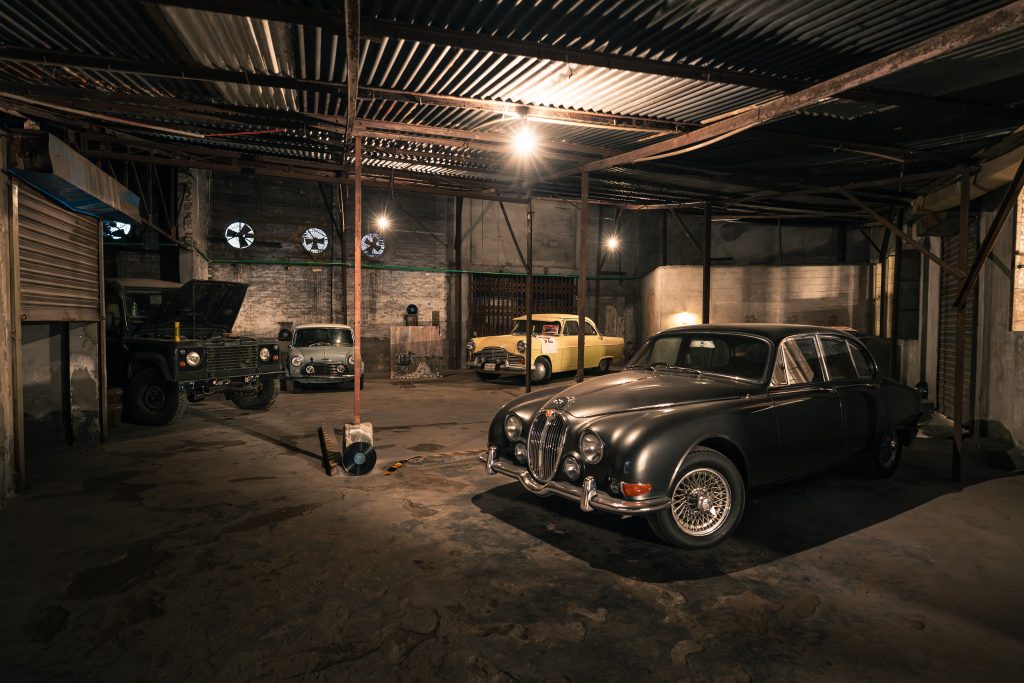
In a city as intense and fast-moving as Dhaka, car culture has traditionally revolved around meets, noise, and spectacle. But Northern set out to challenge that formula—transforming an abandoned warehouse into an immersive exhibition space where automobiles were not just displayed, but experienced.
We sat down with the mind behind the concept to discuss inspiration, curation, community, and where Dhaka’s car culture is heading next.
What was the original inspiration behind the Cars + Art concept?
We didn’t want to create another traditional car show. The audience that attends those events has often seen these cars before—the same builds, the same format, the same angles.
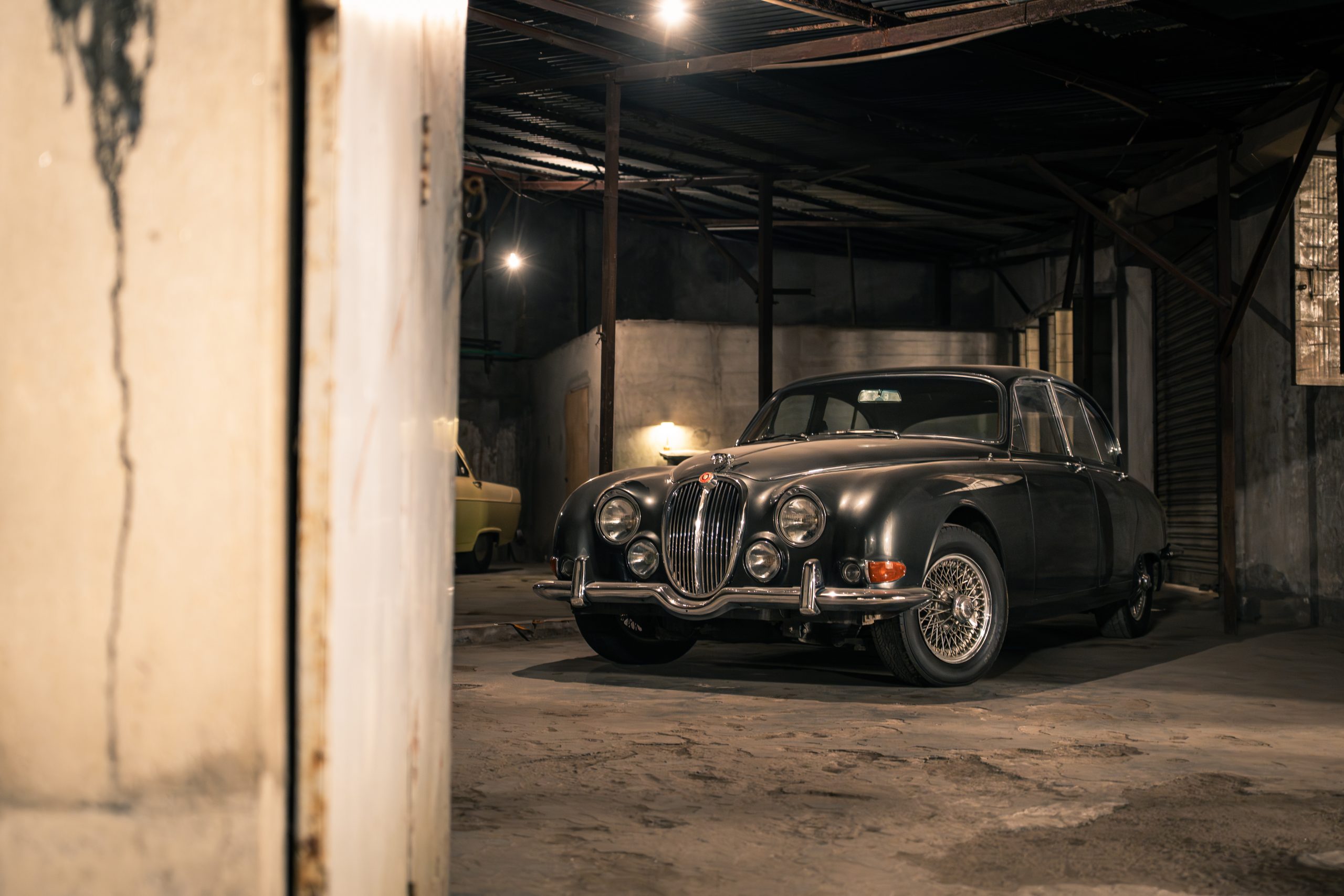
What we wanted was something closer to an exhibition than a meet. A carefully curated selection of cars placed in a way that invites you to look twice. Every glance should reveal something new: a reflection, a shadow, a line you didn’t notice before.
The goal was to shift cars from being consumed quickly to being experienced slowly.

How does this event reflect your personal interpretation of car culture in Dhaka today?
Car culture in Dhaka is evolving. It’s no longer just about horsepower or aesthetics in isolation.
Cars are not two-dimensional objects. They’re design, engineering, identity, status, craftsmanship, storytelling. They’re emotional objects.
This event reflects my belief that cars should be seen holistically—not just as machines, but as cultural artefacts.
Venue & Atmosphere
Why choose an abandoned warehouse as the venue? What role did the industrial setting play?
Truthfully, the space already existed. But the moment we stepped inside, we realised its potential.
When a space feels more dilapidated than the cars inside it, the contrast becomes powerful. The rawness strips away distraction. Exposed concrete, cracked walls, industrial decay—these imperfections elevate the precision and detail of both the cars and the artwork.
The venue wasn’t just a backdrop. It became part of the narrative.

Did the space influence how the experience was curated?
Absolutely. We worked with the space, not against it.
We used cracks in the walls, pockets of darkness, natural textures, and minimal lighting to create mood. Instead of over-polishing the environment, we allowed the raw atmosphere to frame the objects.
It forced us to think creatively—where to position each car, how shadows would fall, how movement through the space would feel.
What challenges came with transforming a non-traditional space into a cultural car meet?
Cleaning and preparing multiple old factory warehouses was the biggest logistical hurdle.
Beyond that, there’s no template for turning an abandoned space into an experiential exhibition. Every solution—from lighting to layout to flow—had to be crafted from scratch.
But that constraint is what made it interesting.
Art, Cars & Community
How were the cars selected? Was there a specific philosophy behind the curation?
I approached it as a curator first, not an event organiser.
Each car needed to contribute to a visual and conceptual conversation within the space. There had to be intention—through design language, build philosophy, rarity, or presence.
Curation isn’t about quantity. It’s about selection.

Why was it important to involve artists and creatives?
Including an artist was essential. Cars alone create admiration—art introduces interpretation.
I wanted creatives who understood form, texture, and contrast. Cars can be sculptural objects. Art can carry motion and engineering influence.
Bringing them together created dialogue instead of parallel appreciation.
How do cars and art complement each other in a Dhaka context?
This intersection hasn’t been deeply explored here before.
The same individuals who collect cars often collect art, watches, and design objects—but these interests exist in silos.
By intertwining them, we acknowledge that appreciation for craftsmanship and design transcends medium. As Dhaka progresses culturally and economically, disciplines must overlap. That’s how culture evolves.

Was collaboration intentional or organic?
Collaboration was a core intention from the start.
The vision was to create an amalgamation of curated objects and creative disciplines—to design an experience rather than just an event.
You cannot create a meaningful experience through one sensory dimension. It requires visual depth, atmosphere, sound, movement, texture—all working together.
That synthesis is where culture begins to form.
Car Culture in Dhaka
How is Dhaka’s car culture evolving today?
It’s progressing more seriously than ever.
People are researching deeply. They’re maintaining, restoring, and refining their cars properly. They’re learning about detailing, mechanical integrity, preservation, originality.
But it’s often an uphill battle. The climate is harsh. Fuel quality isn’t ideal. Bureaucracy complicates ownership. Infrastructure doesn’t always support enthusiasm.
That’s what makes it meaningful.
This community fights through all of that just to remain part of something outsiders might call a “cult.” But it’s more than that—it’s perseverance.
What we need now is a shift—from generic meets to meaningful dialogue. Spaces that educate and inspire the next generation.
Let’s not allow cars to become appliances. There is history, craftsmanship, and identity embedded in them.

Do events like this help change public perception of car meets?
Absolutely.
By intentionally limiting the number of cars on display, people were forced to slow down and engage. They noticed new angles, reflections, small details they might otherwise overlook.
It became less about spectacle and more about contemplation.
Sometimes you need stillness to truly observe.
That shift—from volume to depth—is what changes perception.
What makes Dhaka’s car scene unique compared to other cities?
The people.
Despite climate challenges, regulatory hurdles, limited parts access, and logistical barriers, the community continues to build, restore, modify, and preserve.
In cities where everything is accessible, passion can become convenience. In Dhaka, passion requires effort.
That effort creates character.

Impact & Reflection
What reaction did you receive from attendees?
The strongest reaction was a realisation that Dhaka needs private, intentional spaces.
In a city that is constantly loud and overstimulating, people are craving environments where communities can rebuild themselves quietly.
Many said it didn’t feel like an “event.” It felt like a pause. A moment of alignment.
Beyond cars and art, people are searching for belonging.

Was there a moment when you felt the concept truly worked?
Yes—and it surprised us.
On the second day, a renowned jazz musician performed. We assumed that would draw the larger crowd. Instead, the first day—purely focused on curation—had stronger turnout.
That’s when it clicked.
People weren’t coming for spectacle. They were coming for the concept itself.
It forced us to trust our vision more deeply.

What was the biggest lesson from organizing this meet?
Trust.
Trust in our instincts—and trust from the community.
We questioned whether Dhaka was ready for something this restrained. Whether people would pay to attend a space that, by conventional standards, looked broken.
But the response showed us we’re providing something genuinely valuable.
Now the responsibility is to expand the conversation.
Looking Ahead
Will Cars + Art evolve in future editions?
Absolutely.
Future events will likely be more theme-specific with tighter narratives. But no two editions will ever be the same. Repetition dilutes experience.
The scale will remain intimate. Inspiration flows best when people aren’t overstimulated.
What do you hope attendees take away?
Inspiration.
If someone leaves thinking differently—about cars, design, culture, or interdisciplinary creativity—then we’ve succeeded.
If they leave wanting to build better, curate better, observe more deeply—that’s enough.
Where do you see Dhaka’s car culture heading in the next few years?
Taste is becoming the new currency.
It’s no longer about owning the most expensive car. It’s about restraint, coherence, and understanding.
Taste cannot be purchased. It’s earned.
As access increases, discernment becomes the differentiator.
If we can help shape a culture where narrative, refinement, and thoughtfulness matter more than excess, then we’re moving Dhaka’s car culture forward.