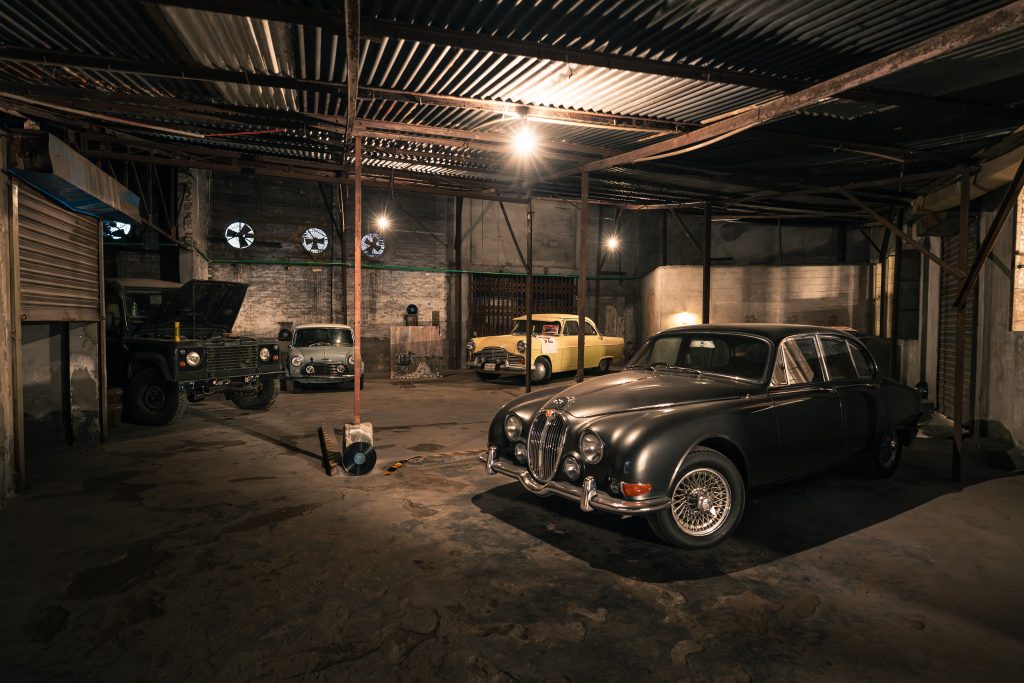
Not every build begins with years of searching or a deeply personal history. Sometimes, it starts with a simple lead from a friend to a marketplace listing—an opportunity that would soon turn into a long-term project driven by a vision.
The Toyota Land Cruiser BJ40 sits at the heart of what made the Land Cruiser name legendary. Part of the 40 Series introduced in the 1960s, the BJ40 earned its reputation the hard way—through decades of use in some of the harshest environments on earth, from farms and forests to deserts and developing cities. Its simple, overbuilt engineering—especially the durable B-series diesel engine—made it a vehicle people could rely on for decades, over time its reputation evolved into a cult following.
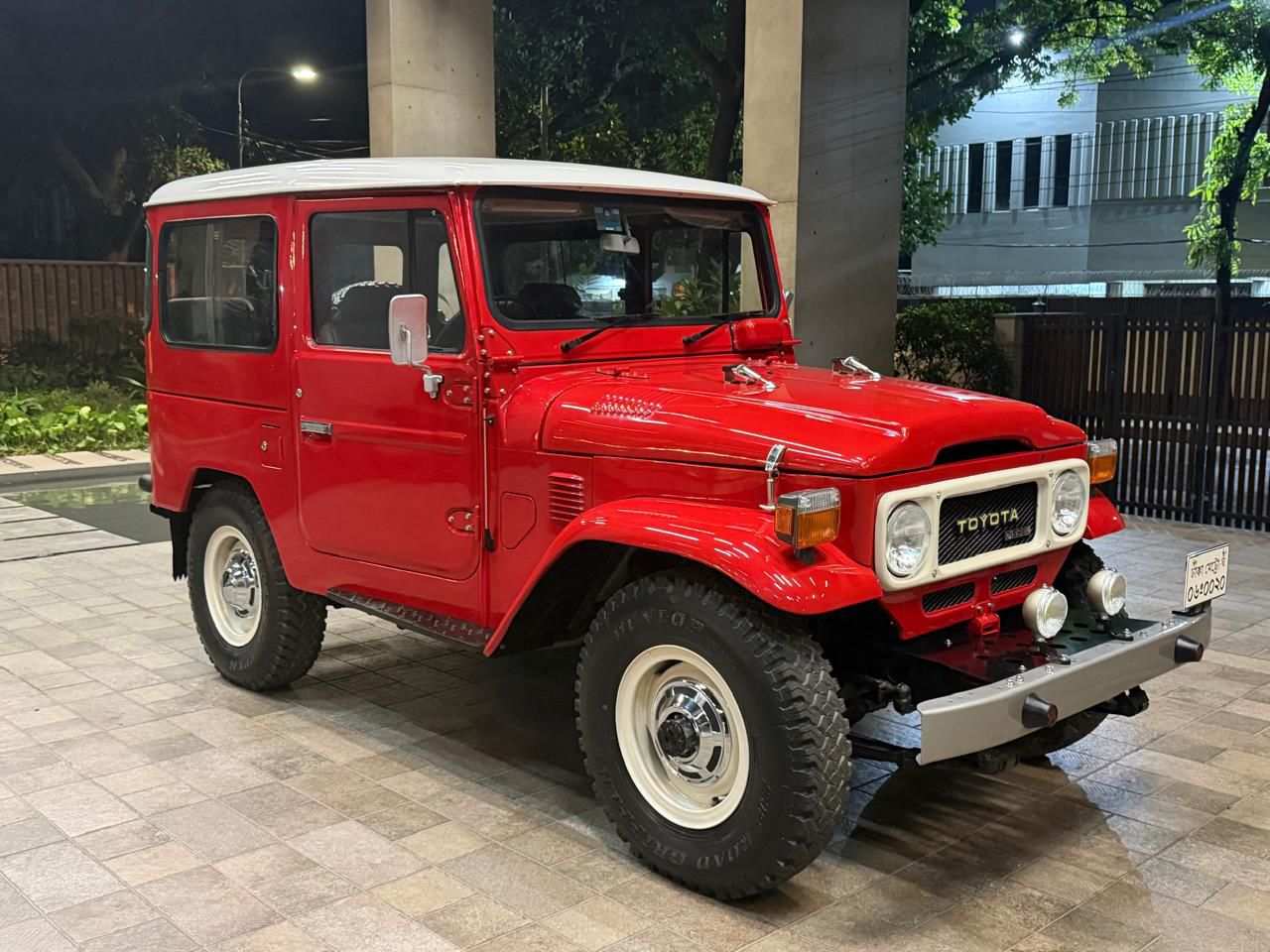
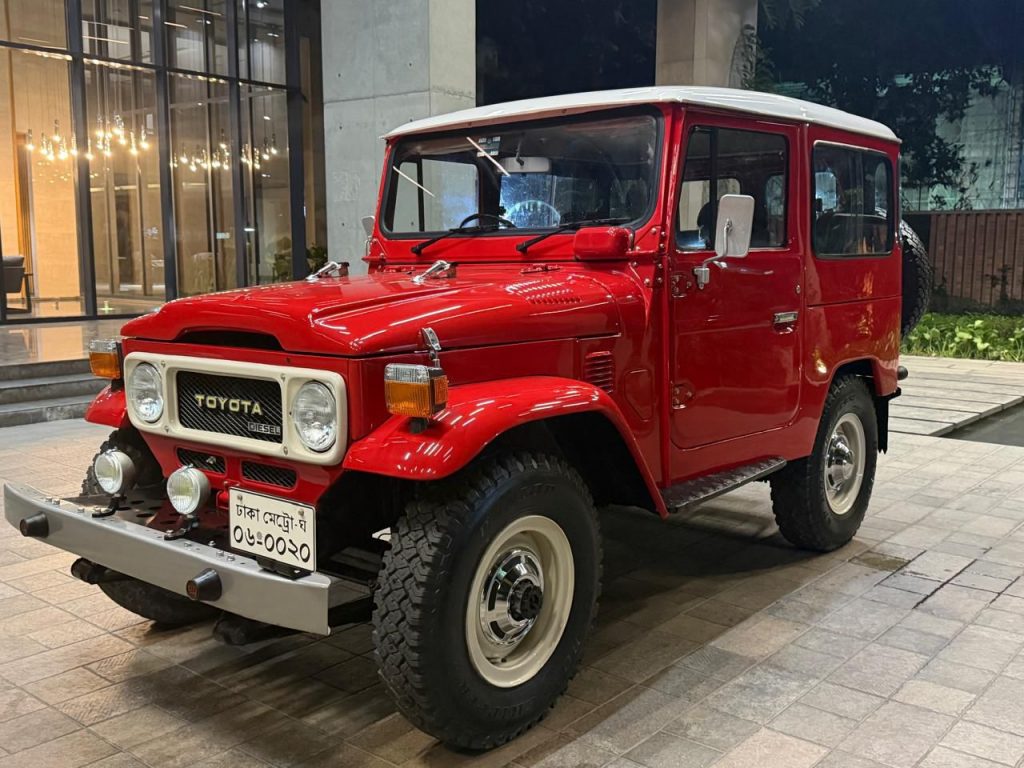
From the outset, the goal wasn’t just to restore the vehicle, but to reshape it into something more personal. The owner approached the project like a blank canvas, using the BJ40 as a base to create a version that matched his own taste and expectations. Despite this creative freedom, the end objective remained grounded: to make the car look as if it had just rolled off the production line.
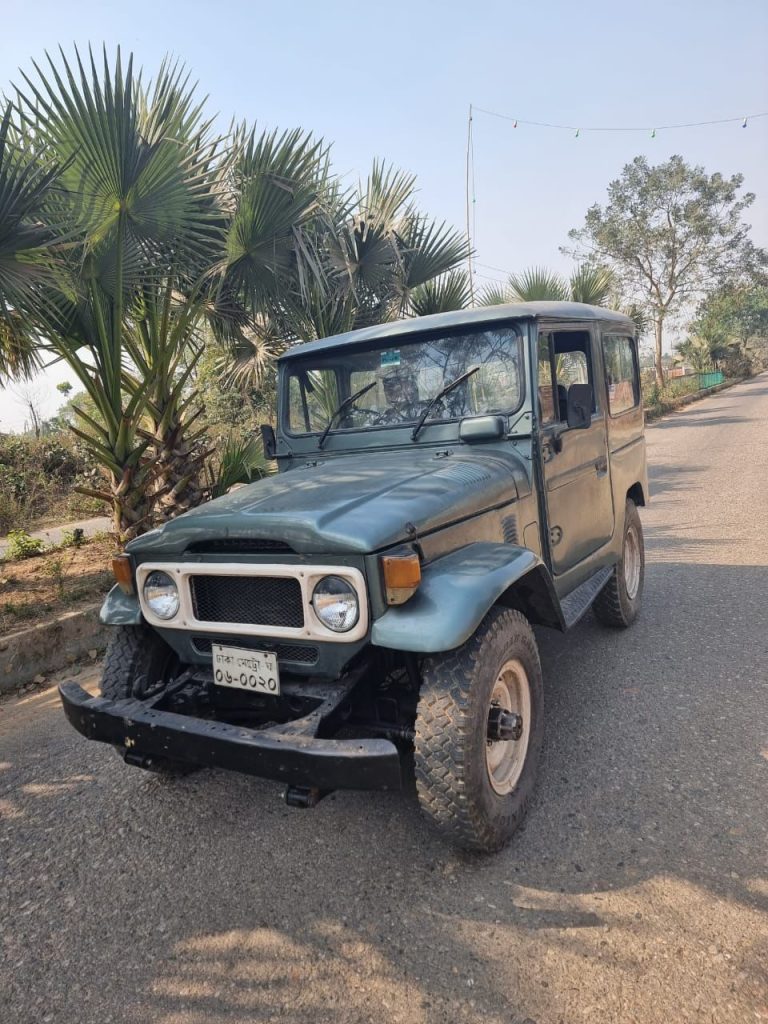
The build kicked off in January 2025 and took roughly over a year to complete. The starting point was encouraging—the car was running and structurally solid, though visibly worn. Like many classics of its age, it came with underlying mechanical issues. The starter motor was worn out, and the engine showed signs of burning oil. Naturally, the first phase of the project focused on sorting out these mechanical fundamentals before moving on to anything cosmetic.
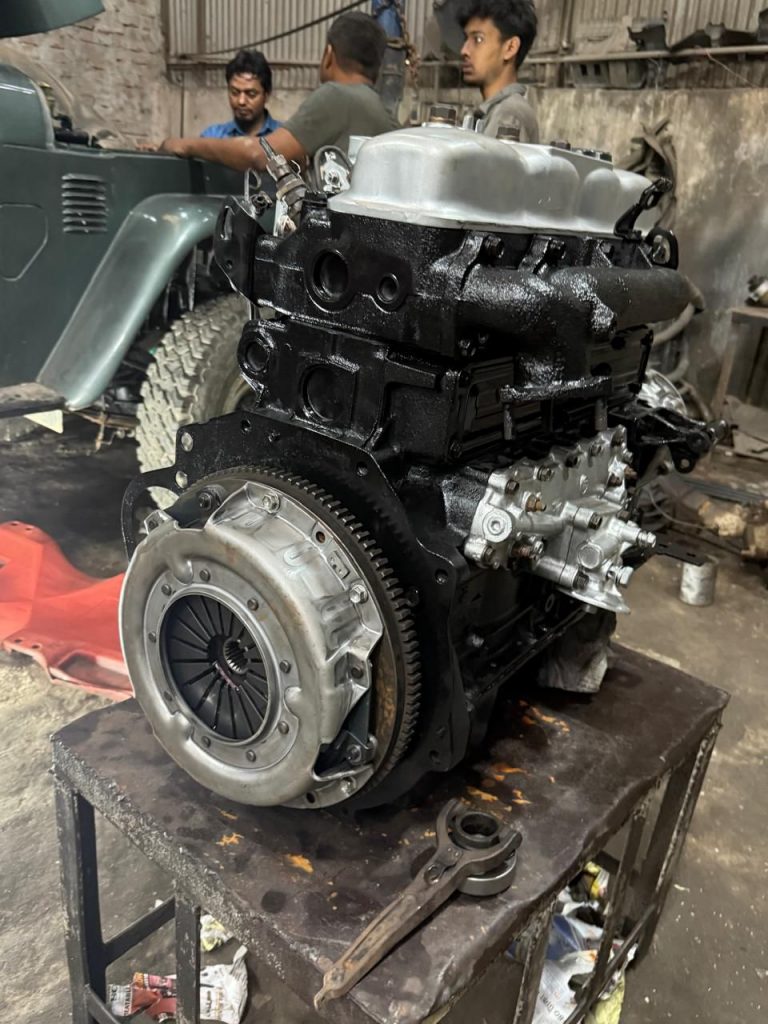
As with most restorations, the real time investment revealed itself in the bodywork. What initially appeared manageable gradually turned into a more involved process, largely due to rust—an unavoidable reality due to the cars age. Addressing it properly took time and patience, ultimately becoming the most challenging aspect of the build. The work was carried out at a trusted workshop already responsible for maintaining the owner’s company vehicles, reinforcing the importance of familiarity and reliability over experimentation when it comes to local restoration projects.
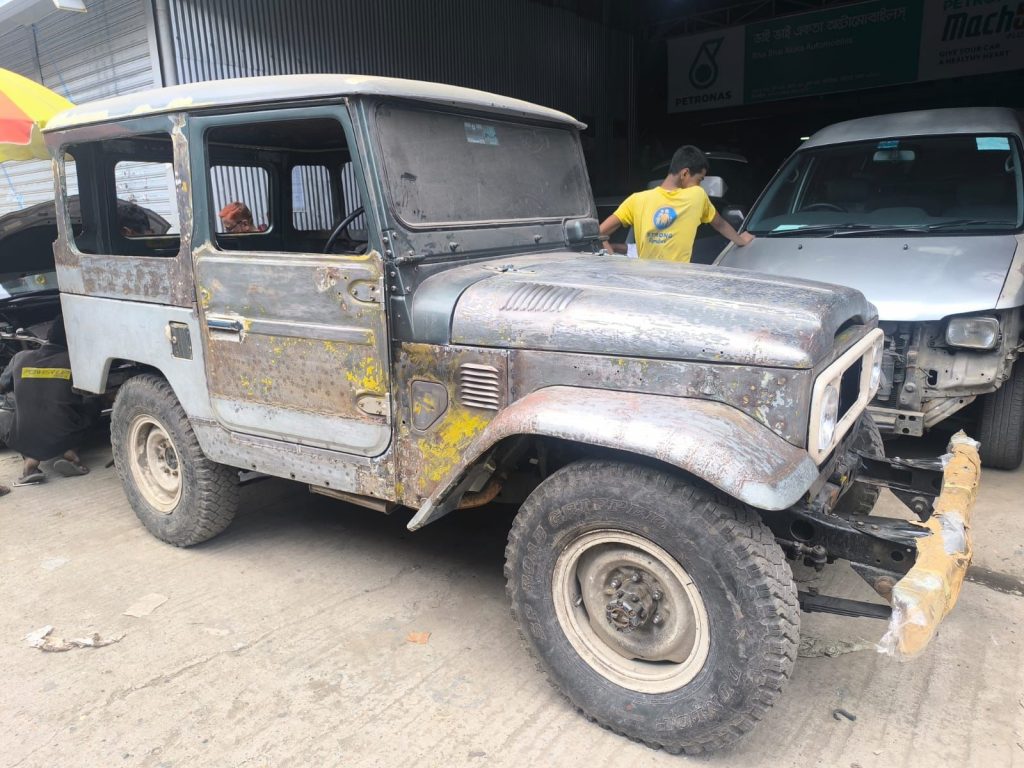
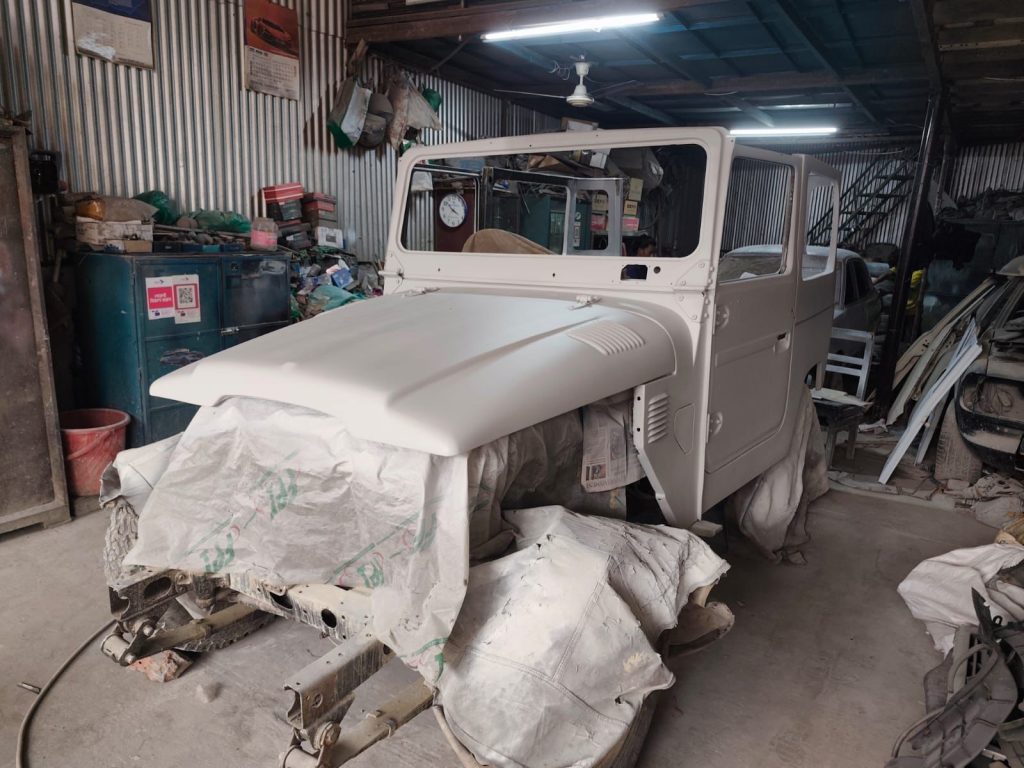
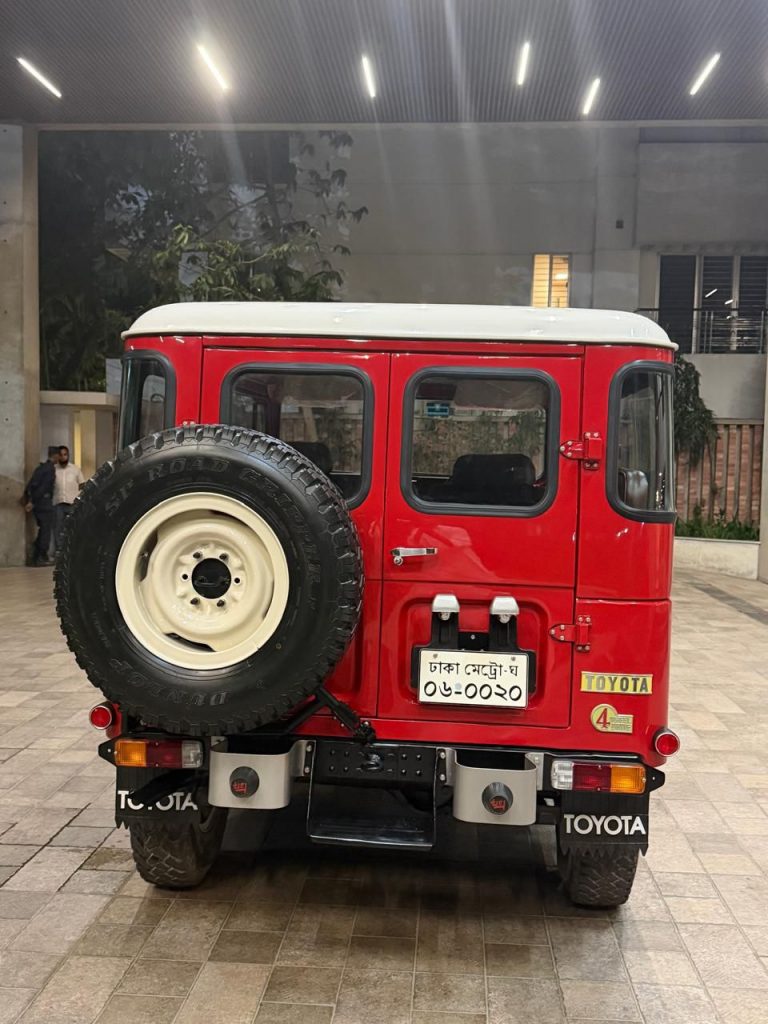
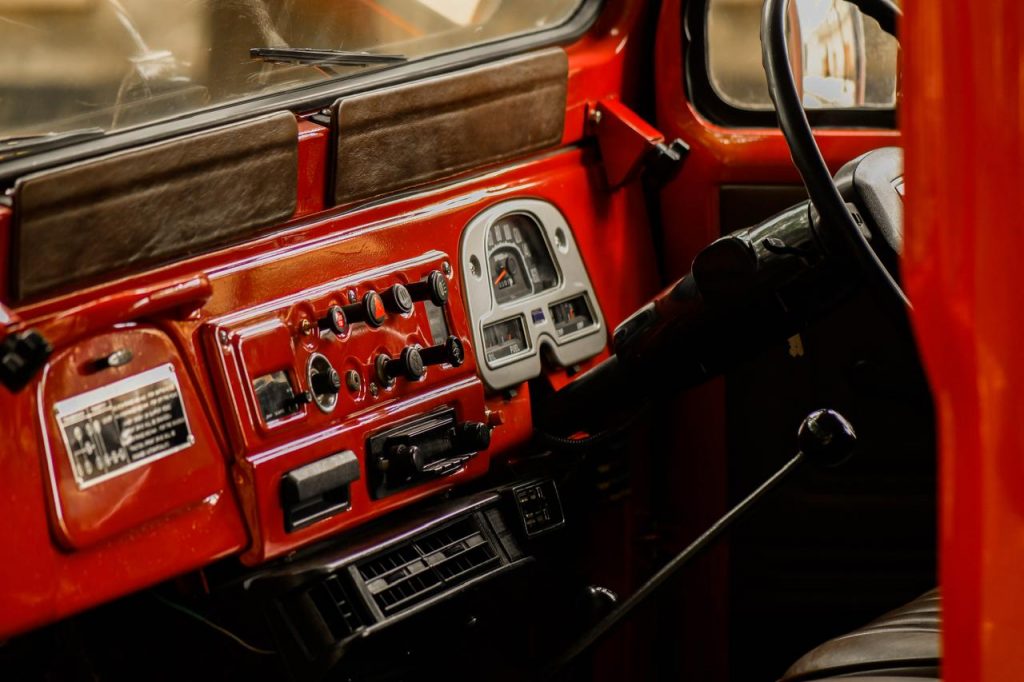
The philosophy behind the build was a careful balance between preservation and usability. While most of the original mechanical components were retained, key upgrades were introduced to bring the car closer to modern driving standards. The suspension was upgraded using an Old Man Emu setup, while the braking and driveline systems were enhanced with components from the 70 Series platform, including an upgraded differential. Air conditioning was also added—an essential improvement for real-world usability in Dhaka.
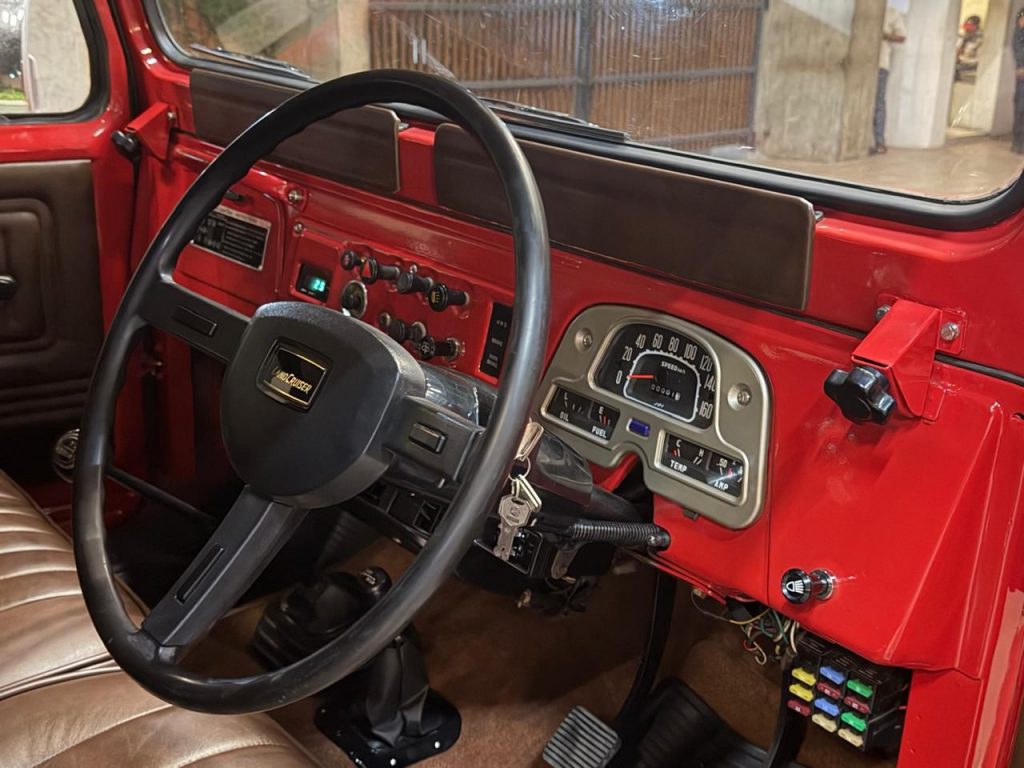
Sourcing parts is a common issue in the local restoration scene. Mechanical components were relatively easy to find within the country, but cosmetic elements told a different story. Accessories, trim pieces, and especially rubber seals had to be imported, often at significant cost. In fact, it was these smaller, finishing components that turned out to be some of the most expensive items in the entire build.
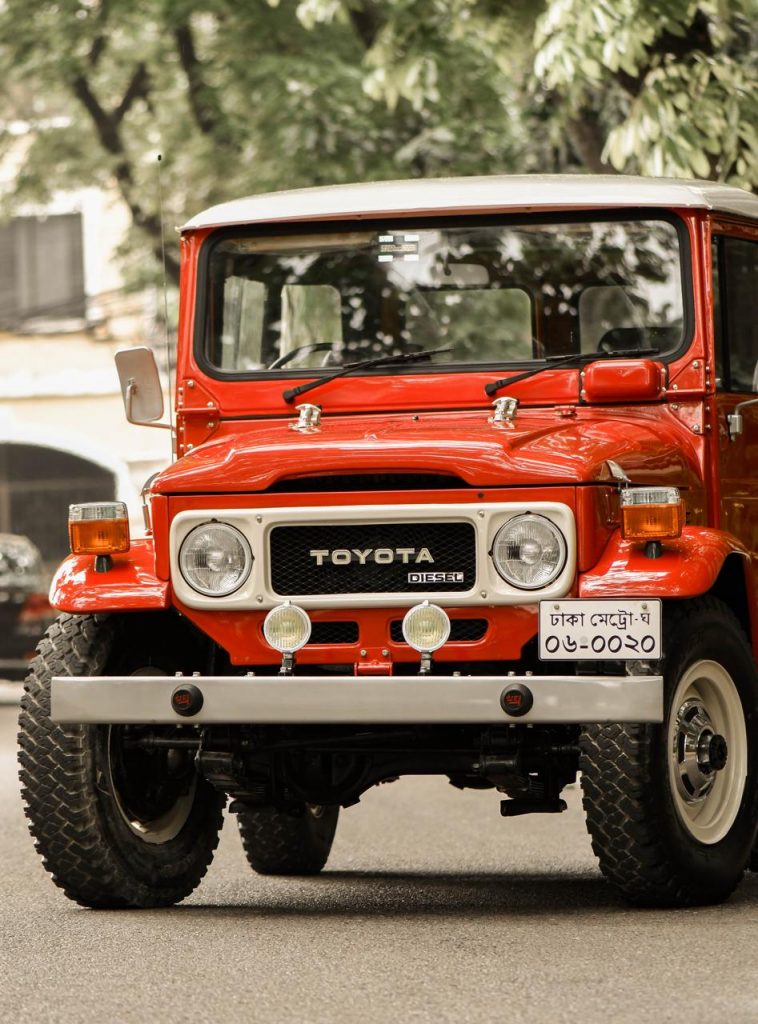
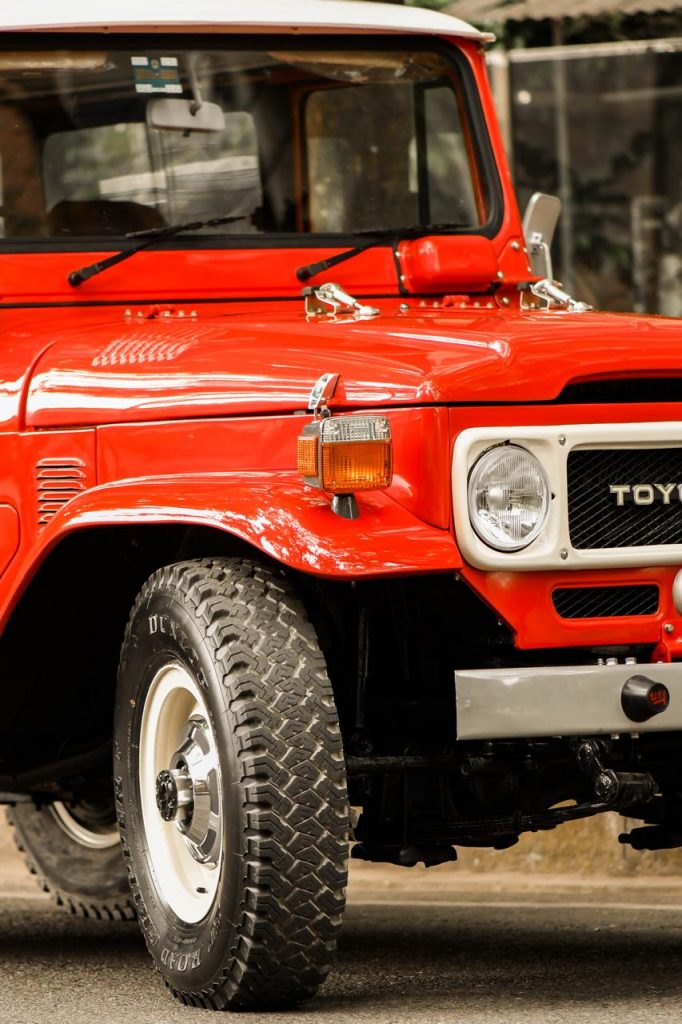
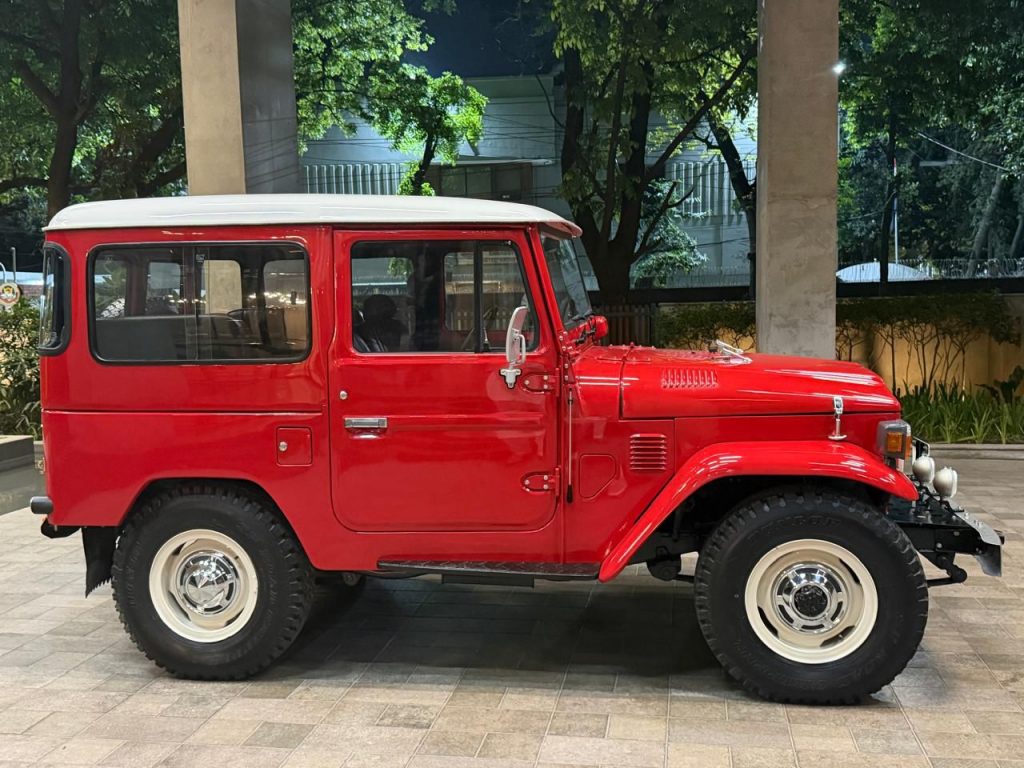
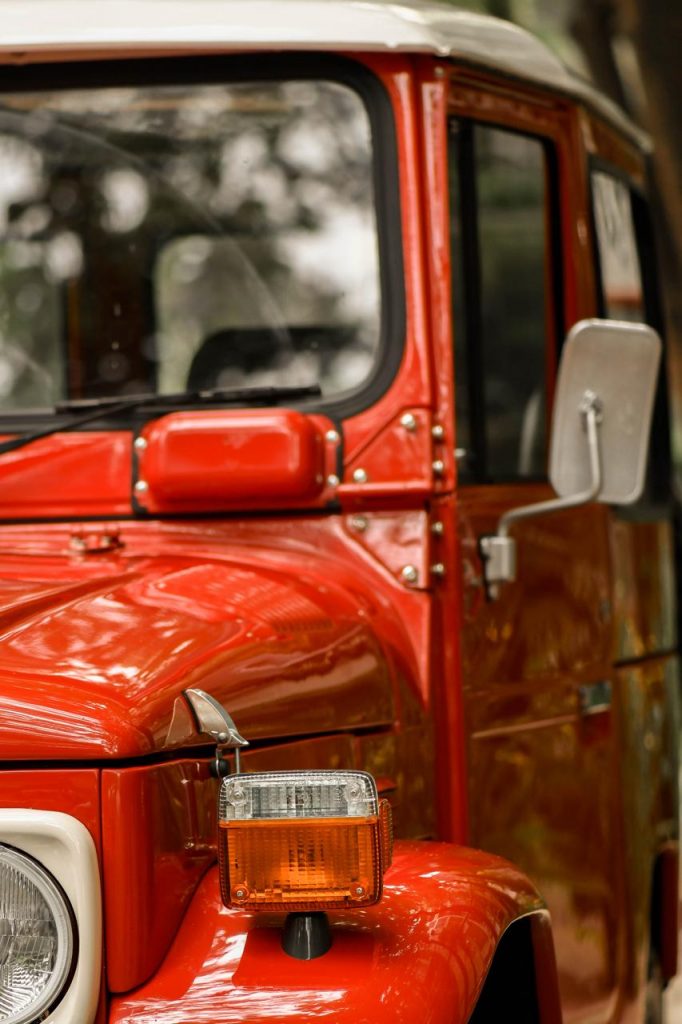
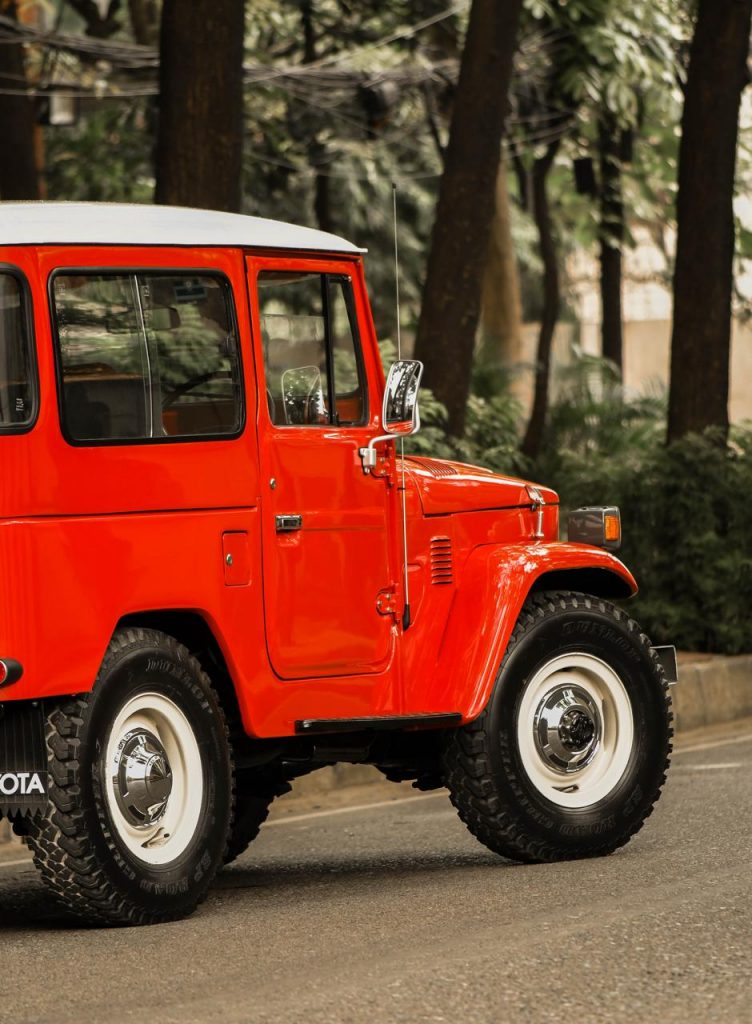
Visually, the final result reflects a deliberate mix of restraint and presence. The overall aesthetic lands somewhere between classy and slightly bold. Much of this balance comes down to the details. The badges, in particular, stand out—not because they are flashy, but because they tie in seamlessly with the wheels and grille, completing the look in a subtle but effective way. Still, the defining element of the build is the paintwork, which brings everything together and delivers that “factory-fresh” impression the project set out to achieve.
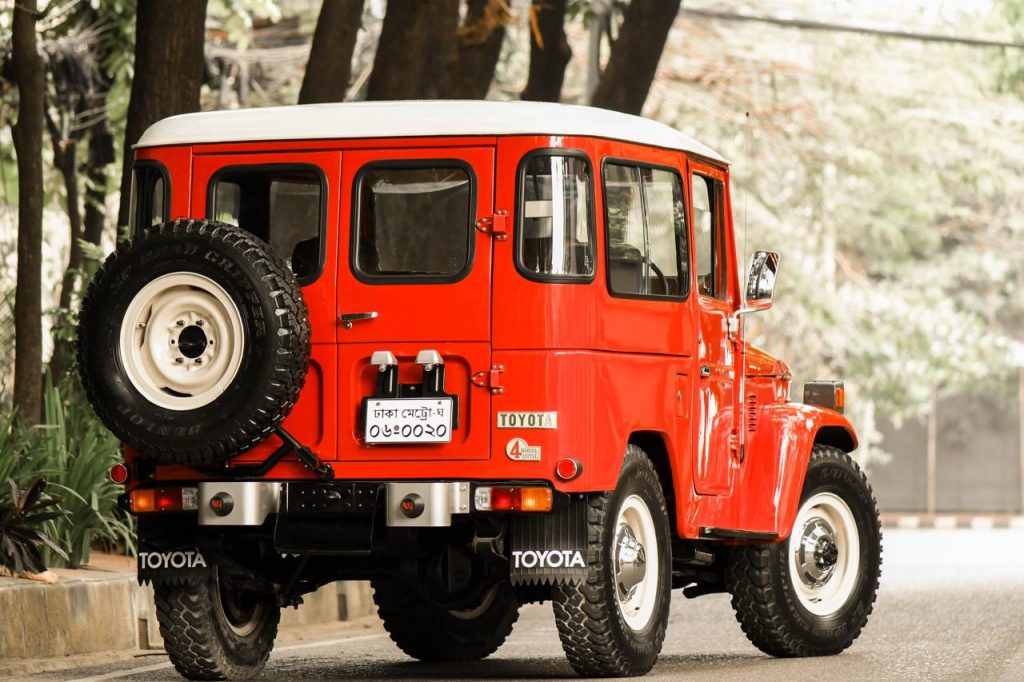
Financially, the build followed a clear philosophy: do it right the first time. It was a no-expense-spared approach, focused more on quality and completeness than strict budgeting. As a result, the project stayed aligned with its vision without major compromises.
Interestingly, despite the car now being complete, the owner has yet to drive it. Currently abroad, he hasn’t had the chance to experience the finished product firsthand. However, there’s no intention of keeping it tucked away. Like the rest of his cars, this BJ40 is meant to be driven regularly—not preserved as a static showpiece.
Looking back, there are no regrets or changes he would make. The only real takeaway from the entire experience is a simple one: patience. In a city where restoring a classic often involves navigating limited resources, unexpected setbacks, and constant decision-making, patience becomes the most valuable tool of all.
This BJ40 stands as a clear example of what a thoughtful, well-executed rebuild looks like in Dhaka. It doesn’t rely on excess or overstatement. Instead, it succeeds through clarity of vision, attention to detail, and the discipline to see the process through properly—exactly what defines a truly tasteful rebuild.

Leave a Reply to Farhan Adel Cancel reply